
Industrial Labeling Solutions Canada: The 2026 Reference Guide
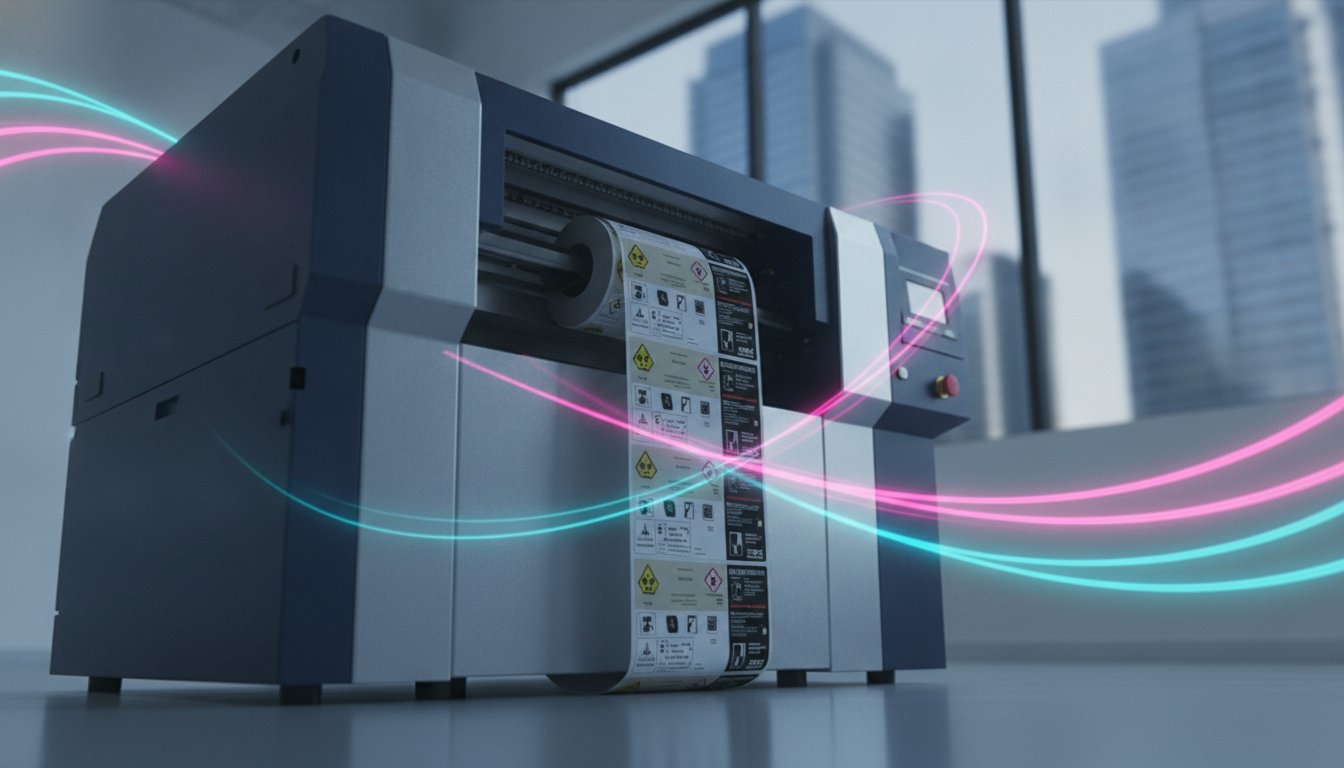
Did you know that as of January 1, 2026, failing to display the mandatory front-of-package nutrition symbol can lead to immediate product seizures by the CFIA? Relying on third-party printers for short runs often leads to production bottlenecks and skyrocketing costs when regulations shift overnight. If you've experienced downtime due to label supply delays or struggled with the new Bill 96 French language requirements in Quebec, you aren't alone. It's time to stop outsourcing your agility and start investing in robust industrial labeling solutions Canada professionals trust to keep their lines moving.
We understand that maintaining compliance with GHS and GS1 standards feels like a moving target. This guide will help you build a high-performance in-house labeling infrastructure that reduces your cost-per-label while ensuring total accuracy. You'll learn how to integrate professional hardware like Afinia and Epson printers with industry-standard software like BarTender to create a seamless, reliable workflow. We'll break down the essential components of a modern labeling ecosystem so you can eliminate external dependencies and focus on scaling your operations with confidence.
Key Takeaways
- Build a resilient in-house infrastructure by integrating professional hardware from brands like Afinia and Epson.
- Ensure full compliance with GHS and GS1 standards to avoid costly production delays and regulatory penalties in the Canadian market.
- Use professional barcode software to create a seamless connection between your internal ERP data and physical label output.
- Select specialized media and consumables designed to withstand Canada's harsh industrial environments, including extreme cold and chemical exposure.
- Implement comprehensive industrial labeling solutions Canada wide through a national distributor to guarantee a steady supply of essential inks and ribbons.
Defining Industrial Labeling Solutions for the Canadian Market
Industrial labeling is a systematic approach to product identification and tracking. For manufacturers across the country, implementing robust industrial labeling solutions Canada wide is no longer a luxury; it's a core requirement for operational stability and regulatory safety. These solutions represent a coordinated ecosystem of hardware, software, and media designed to ensure every product meets safety and logistics standards before it leaves the warehouse floor.
The regulatory landscape in Canada shifted significantly at the end of 2025. As of December 15, 2025, all hazardous products must comply with updated WHMIS standards that align with the 7th and 8th editions of the GHS. This includes new classifications for chemicals under pressure and specific flammable gas subcategories. Additionally, the January 1, 2026, deadline for mandatory Front-of-Package (FOP) nutrition symbols means food processors need immediate, granular control over their label designs to avoid non-compliance and product seizures. Moving production in-house provides the agility to meet these federal deadlines without waiting on external vendors.
The Core Components of a Labeling Ecosystem
A functional system relies on three specific pillars. First, hardware like high-resolution color label printers or rugged thermal transfer units provides the physical output. These machines must handle high-volume runs while maintaining barcode clarity. Second, software acts as the intelligence. Professional packages like BarTender software bridge your internal ERP data with the printer to ensure every GS1 barcode is scannable and accurate. Finally, media includes specialized substrates and Afinia labels. For many facilities, industrial asset labeling requires durable materials like polypropylene or polyester that survive extreme Canadian temperatures and chemical exposure.
Why Canadian Manufacturers are Moving In-House
Outsourcing short-run labels is expensive and creates unnecessary friction. By bringing production in-house, businesses eliminate the long lead times associated with external print houses. You print only what you need. This reduces waste and immediately improves production margins. This shift is particularly vital for companies operating in Quebec. Bill 96 now mandates French language predominance on all packaging, and an on-demand system allows you to update text and symbols instantly to stay compliant. Whether you're handling seasonal product changes or private labeling for a new partner, in-house industrial labeling solutions Canada provide the speed required to stay competitive in 2026.
Comparing Industrial Printing Technologies: Inkjet vs. Thermal
Selecting the right hardware is the first step in building reliable industrial labeling solutions Canada businesses can depend on for long-term uptime. Choosing between technologies involves balancing colour requirements, production speed, and environmental durability. While thermal transfer has long been the baseline for logistics, digital inkjet printing reached a 43.78% market share in 2025. This growth reflects a massive shift toward high-resolution, on-demand colour. When evaluating these systems, manufacturers must align their choice with Canada's federal labeling requirements, which dictate how specific data and symbols must appear on packaging across different provinces.
Colour Inkjet Solutions: Afinia and Epson
Modern inkjet hardware has bridged the gap between high-speed production and photographic quality. Afinia Color Label Printers are particularly effective for businesses in cosmetics and food packaging where branding is paramount. These machines allow for instant adjustments to nutrition symbols or French text requirements without the need for expensive plate changes. For chemical manufacturers, Epson printers provide the necessary pigment inks to ensure GHS labels remain legible even after exposure to solvents or moisture. This technology is ideal for "prime" labels that require vibrant colours to attract consumers while maintaining industrial-grade durability.
Thermal and Barcode Hardware: Zebra and Seiko
Thermal technology remains the workhorse for high-volume barcode and shipping applications. In 2025, barcodes still dominated the identification market with a 56.82% share. Zebra printers are the standard for warehouse environments where speed and reliability are non-negotiable. These units utilize a heated printhead to melt ribbon onto the media, creating a bond that resists abrasion and heat. If your facility requires specialized marking for industrial components, Seiko printers offer targeted solutions for precision tasks. For companies looking to enhance supply chain visibility in 2026, RFID printers provide the ability to encode data into labels for real-time tracking across the logistics network.
Refer to our guide on the best industrial label printers for specific rankings of current 2026 models. If you aren't sure which technology fits your specific media requirements, you can speak with our technical team to verify compatibility and ensure your infrastructure is future-proof.
The Role of Professional Labeling Software in Production
Software acts as the intelligence layer of your facility. It serves as the critical bridge between your internal ERP data and the physical hardware, transforming a simple printer into a smart production asset. For businesses implementing industrial labeling solutions Canada wide, the right software ensures every barcode is scannable and every regulatory symbol is placed with surgical precision. Without a professional software interface, even the most advanced hardware remains a disconnected peripheral prone to human error.
Modern production lines move too quickly for manual data entry. To maintain speed, facilities are increasingly adopting variable data label printing to handle dynamic information like batch numbers, expiry dates, and serialized tracking codes. This automation allows your system to update label content in real time based on live production data. For a deeper look at how to architect these systems, explore our professional guide to barcode labeling software which covers advanced integration techniques for 2026.
Industry Standards: BarTender and NiceLabel
Selecting an industry-standard package is essential for long-term stability. BarTender software is the most recognized solution for automated printing and complex label designs. It allows users to create sophisticated templates that pull information directly from Excel, SQL, or SAP databases. If your organization requires centralized control over multiple workstations, NiceLabel provides a robust platform for managing label lifecycle and security. For manufacturers with multi-site operations across provinces, Loftware cloud software offers a scalable path to standardize labeling across different geographic locations without the need for local server maintenance.
Ensuring Accuracy and Compliance
Accuracy is the primary defense against product recalls and shipping fines. Database integration eliminates the risk of typos by ensuring that what exists in your records is exactly what prints on the media. This is particularly vital when navigating Canadian labeling and marking requirements, which mandate specific bilingual text and safety icons. Professional software packages include pre-built templates for GS1 and GHS standards, allowing you to stay compliant as regulations evolve. By managing serialized data through these platforms, you create a secure audit trail for high-value assets and pharmaceutical products, ensuring full traceability from the manufacturing floor to the end user.

Selecting Media and Consumables for Harsh Environments
Your labeling solution is only as effective as the media it prints on. Even the most advanced printer can't compensate for a label that peels off in a freezer or smudges when exposed to industrial solvents. For companies deploying industrial labeling solutions Canada wide, the physical environment is often the greatest challenge. From the humid processing floors of Ontario to the sub-zero storage facilities in the Prairies, your labels must maintain adhesion and legibility under extreme stress. Selecting the wrong substrate doesn't just look unprofessional; it risks total supply chain failure if a barcode becomes unscannable during transit.
Beyond identification, physical protection is vital for maintaining product integrity in these environments; for example, you can explore Foam Packaging to safeguard sensitive equipment against impact and vibration.
Durability starts with the chemical bond between the ink and the surface. When using thermal technology, matching the correct thermal transfer ribbon to your specific label material is critical. If the melting point of the ribbon doesn't align with the stock's topcoat, the data will scratch off with minimal friction. For those using high-speed inkjet systems, high-quality Afinia labels are designed with specialized receptive coatings. These coatings ensure that pigment-based inks dry instantly and remain smudge-proof, even in moisture-heavy environments where standard paper labels would fail.
Thermal Transfer Ribbons: Wax, Resin, and Near Edge
Different applications require specific ribbon formulations to ensure longevity. Wax ribbons are the most economical choice, performing well on standard paper labels for general shipping and logistics. However, for maximum chemical and heat resistance, resin ribbons are the industry standard. They create a near-permanent bond on synthetic stocks like polyester or polypropylene. Utilizing Zebra ribbons ensures consistent print quality and helps extend the life of your printhead by reducing the heat required for a clean transfer. If you're running high-volume, high-speed lines, near-edge ribbons provide the necessary release timing to keep production moving without blurring.
Industrial Label Stocks and Finishes
Choosing the right material involves more than just selecting a size. BOPP (Biaxially Oriented Polypropylene) and polyester are the preferred choices for harsh Canadian industrial environments because they don't shrink, stretch, or degrade when exposed to water or oils. Beyond the material itself, the finish plays a vital role in functionality. Matte finishes are generally superior for barcode scannability in bright warehouse lighting, while gloss finishes provide the vibrant "pop" required for retail branding. If your product requires a unique shape or size, Afinia label cutters and finishers allow you to produce custom-contoured labels in-house, eliminating the need for expensive custom dies.
Don't let a poor media choice compromise your facility's compliance or efficiency. To ensure your ribbons and labels are perfectly matched for your specific application, contact our media specialists for a technical consultation and material compatibility check.
Implementing Your Solution with a National Canadian Distributor
Successful implementation of industrial labeling solutions Canada wide depends on your choice of partner. While some manufacturers push proprietary hardware that limits your future options, a specialized distributor provides an unbiased perspective across multiple brands. This flexibility is essential for building a resilient infrastructure. A distributor acts as a technical facilitator, ensuring that your hardware, software, and media function as a single, high-performance unit. They don't just sell boxes; they design workflows that keep your production lines moving without interruption.
Wait times are the hidden killers of production margins. Relying on international shipping for essential supplies often leads to expensive downtime. Partnering with a national distributor ensures you have immediate access to a consistent supply of consumables like Afinia ink cartridges or specialized thermal ribbons. By maintaining a local Canadian stock of essential media, you safeguard your facility against global supply chain shocks. This regional support is the difference between a minor delay and a total production halt.
Evaluating a Labeling Partner
Don't settle for a generic office supply vendor. Your labeling partner should hold authorized status for major industrial brands like Epson and Afinia. This certification guarantees that you're receiving genuine parts and the latest firmware updates. Beyond hardware, verify that the vendor provides comprehensive software support for platforms like BarTender and NiceLabel. If your organization operates multiple facilities across different provinces, verify their national shipping capabilities. You need a partner that can standardize your labeling supplies from coast to coast, ensuring every site follows the same quality standards.
Next Steps for In-House Migration
Transitioning to an in-house model requires a methodical approach. Start by conducting a thorough label audit to determine your current volume, material variety, and specific environmental requirements. Don't guess on durability; request print samples on different synthetic and paper materials to test them in your actual production environment. Once you have your data, consult with a professional label printer distributor to design your ideal workflow. This consultation will help you select the right balance of speed, resolution, and cost-per-label to meet your 2026 production goals with confidence.
Optimizing Your 2026 Labeling Infrastructure
Bringing your labeling in-house isn't just about reducing costs; it's about securing your production timeline against regulatory shifts and supply chain delays. By integrating professional hardware with specialized software like BarTender, you gain the agility needed to meet evolving GHS and GS1 standards instantly. This guide has detailed how the synergy between your printer, your design software, and your media defines your facility's long-term success. Maintaining this ecosystem allows you to respond to market changes without the friction of external print houses.
Implementing high-performance industrial labeling solutions Canada wide requires a stable foundation of hardware, software, and durable media. OptiMediaLabs Canada serves as an authorized Canadian distributor for Afinia, Epson, and Zebra, providing a comprehensive selection of consumables and expert technical support. We offer reliable national shipping across Canada to ensure your facilities remain stocked with essential inks, ribbons, and labels regardless of your location. Our team is ready to help you navigate technical specifications to find the right fit for your environment.
Browse our full range of industrial labeling hardware and supplies to start building your resilient in-house system today. Your transition to a more efficient, compliant workflow is a strategic step toward total production control.
Frequently Asked Questions
What are the main components of an industrial labeling solution?
A complete system for industrial labeling solutions Canada facilities includes three core pillars: printing hardware, design software, and specialized media. Hardware refers to units like Afinia inkjet or Zebra thermal printers and finishers. Software acts as the bridge between your database and the physical label. Media encompasses the specific substrates and ribbons required to ensure your labels survive their intended environment.
How do I ensure my labels are GHS compliant in Canada?
Ensuring compliance requires following the updated WHMIS regulations that aligned with the GHS 7th and 8th editions in December 2025. You must use pigment-based inks, such as those found in Epson systems, to ensure chemical resistance. Your software templates must include mandatory red-bordered pictograms and bilingual safety text to meet federal standards for hazardous products.
Can I print high-resolution colour labels in an industrial environment?
High-resolution colour printing is now standard in industrial settings thanks to advanced inkjet technology. Models from Afinia and Epson produce photographic quality at 1200 dpi or higher while maintaining the speed required for production lines. These systems are specifically designed to handle the dust and vibration of a factory floor without sacrificing print clarity or branding aesthetics; similarly, manufacturers often rely on smart sensors from Contrinex to ensure precise automation in these same harsh industrial conditions.
What is the difference between thermal transfer and direct thermal printing?
Thermal transfer uses a heated ribbon to create a permanent bond on the label, which is ideal for long-term storage and harsh conditions. Direct thermal uses heat-sensitive media and no ribbon. It's more economical but the images fade over time when exposed to light or heat. Direct thermal is typically reserved for short-term logistics like shipping labels.
Which labeling software is best for Canadian manufacturing?
BarTender is the most recognized software for Canadian manufacturers due to its robust database integration and automation features. NiceLabel is another top-tier choice for organizations that need centralized security and label lifecycle management. Both packages include pre-built templates for GS1 and GHS standards, making it easy to stay compliant with bilingual requirements and international logistics codes.
How do I choose the right thermal transfer ribbon for my labels?
Selecting the right ribbon depends on your label stock and the durability required. Use wax ribbons for standard paper labels used in general shipping. Choose resin ribbons for synthetic stocks like polyester to ensure maximum resistance to chemicals, heat, and abrasion. A wax-resin hybrid is a versatile middle ground for coated paper and some synthetic materials.
Is it more cost-effective to print labels in-house or outsource them?
Implementing industrial labeling solutions Canada wide in-house is often more cost-effective for businesses managing multiple SKUs or frequent regulatory updates. You avoid high minimum order fees and shipping delays from external vendors. This model allows you to maintain lower inventory levels and respond instantly to market changes without wasting obsolete, pre-printed stock.
What label materials are best for high-moisture or cold-storage areas?
Synthetic materials like BOPP and polyester are superior for high-moisture and cold-storage environments. These stocks don't degrade when wet or become brittle in sub-zero temperatures. You must pair these materials with a freezer-grade adhesive to ensure labels stay attached during harsh Canadian winters. Standard paper labels will typically fail or peel in these specific conditions.