
Professional Guide to Label Printer Consumables: Canada
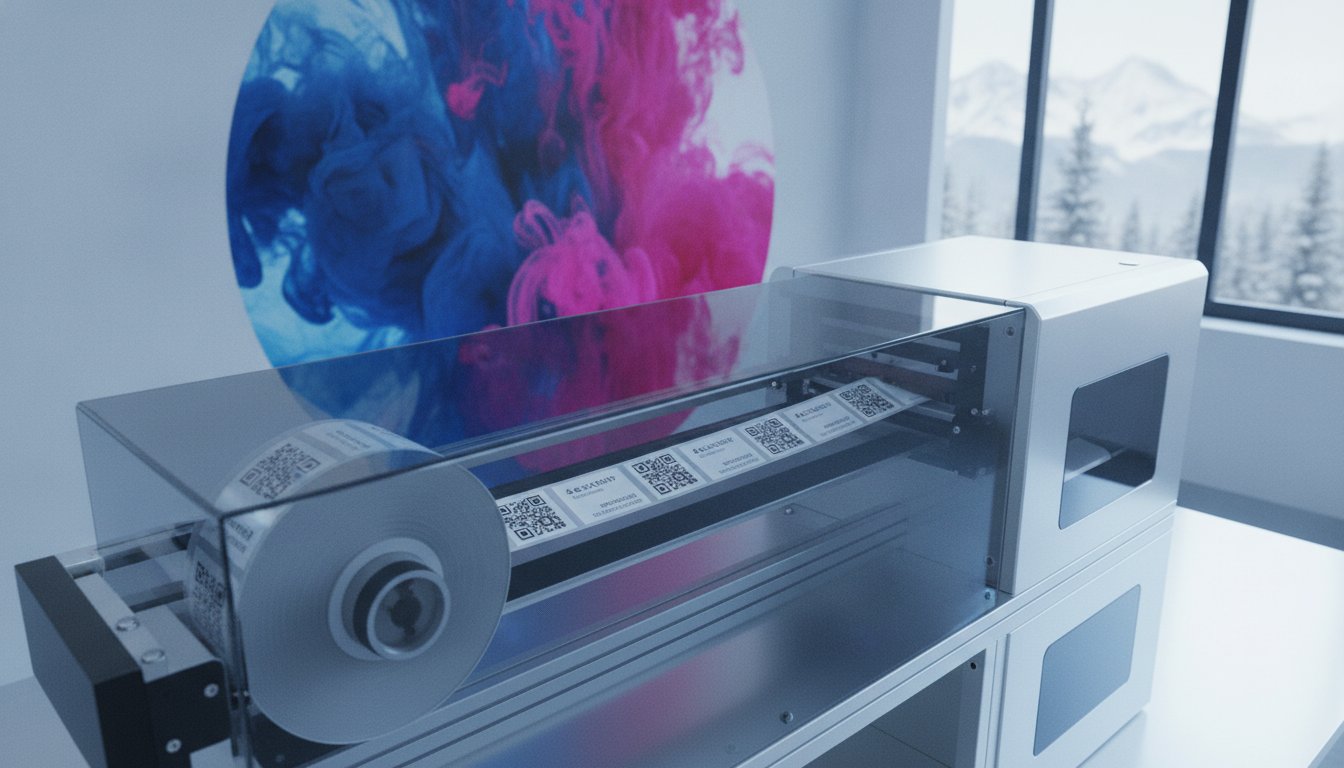
A single shipping label failing during a sub-zero Canadian winter can halt an entire logistics chain. It's an expensive risk that no production manager wants to take. Selecting the best label printer consumables Canada has to offer often feels like a frustrating balancing act between rising operational costs and the fear of material failure in moist or freezing conditions. You need technical reliability. You need performance without the guesswork of ribbon compatibility.
It's true that maintaining a high-volume production line is complex and demanding. This guide provides the technical clarity you need to master media, ink, and ribbons while optimizing your internal processes. We'll show you how to choose the correct materials for your specific environment and how to lower your total cost-per-label. Expect a detailed breakdown of media types and hardware requirements to help you build a stable, domestic supply chain that performs under pressure. Reliable media. Precise ink. Durable ribbons.
Key Takeaways
- Identify high-quality media that maintains professional brand standards while withstanding harsh Canadian shipping environments.
- Understand the technical necessity of brand-specific ink cartridges for Afinia and Epson hardware to ensure machine longevity and colour accuracy.
- Master the selection of thermal transfer ribbons, including wax, wax-resin, and full resin types, for maximum durability in logistics and warehousing.
- Discover specialized label printer consumables Canada businesses use to meet moisture-resistance and durability standards for food, beverage, and nutraceutical industries.
- Calculate your true total cost of ownership by evaluating ink consumption, media waste, and the logistical advantages of high-volume procurement within Canada.
Understanding the Landscape of Label Printer Consumables in Canada
Label printer consumables include ink cartridges, toner, blank labels, and thermal transfer ribbons. These components are the lifeblood of any professional production line. High-quality media is essential for maintaining professional brand standards across the country. In Canada, the environment adds a unique layer of complexity to these choices. Selecting the right label printer consumables Canada requires is about more than just finding a compatible part number; it is about ensuring performance under local conditions.
The Canadian climate significantly impacts adhesive performance and print durability. Winters are harsh. Labels often face sub-zero temperatures during transport, which can cause standard adhesives to crystallize and fail. Conversely, humid summers or condensation in refrigerated logistics can cause ink to bleed or labels to peel if the media is not moisture-resistant. Choosing the right color label printer supplies ensures your branding remains intact from the warehouse to the customer's door. Performance depends on three primary technologies: Inkjet, Direct Thermal, and thermal transfer printing.
The Ecosystem of Professional Labelling
Hardware and consumables must work in tandem to produce high-resolution results. When you pair professional-grade printers with brand-specific media, you maximize uptime and printhead life. The hidden costs of using sub-standard or incompatible media are high. Frequent jams, premature printhead failure, and rejected shipments due to unreadable barcodes quickly erode your margins. Many Canadian manufacturers are moving toward on-demand labelling solutions to gain flexibility. This shift allows for smaller print runs and reduces the waste associated with pre-printed label inventories.
Key Factors Influencing Consumable Selection
Start by calculating your monthly usage. This data allows you to optimize bulk ordering and secure a more reliable supply chain. Next, match your adhesives to the specific application surface. Cardboard, plastic, and glass all require different chemical properties for a permanent bond. Finally, evaluate environmental exposure. Labels destined for outdoor use or industrial environments need resistance to UV light, moisture, and extreme temperatures. Using high-quality thermal transfer label printers and the correct ribbon-label combination is the only way to guarantee long-term legibility in these demanding Canadian conditions.
Inkjet Consumables: Maximizing Colour Quality and Machine Longevity
Precision is the standard for modern inkjet labelling. Achieving high-resolution results requires a perfect chemical balance between the ink and the media surface. Using brand-specific ink cartridges for your Afinia and Epson hardware is the most effective way to ensure this synergy. These manufacturers design their ink sets to work specifically with their thermal or piezo printheads. Generic alternatives often lack the necessary viscosity, leading to inconsistent droplet sizes and poor colour reproduction. When sourcing label printer consumables Canada businesses rely on, prioritizing genuine ink is a strategic choice for equipment health.
Choosing between dye-based and pigment-based inks depends entirely on your application. Dye-based inks offer an exceptionally wide colour gamut. They are the ideal choice for high-impact retail packaging where vibrancy is the primary goal. However, they are susceptible to fading under UV light. Pigment-based inks utilize solid particles suspended in liquid. These particles provide superior resistance to moisture, chemicals, and sunlight. If your products face harsh storage or outdoor exposure, pigment ink is the industrial standard for durability.
High-quality ink does more than just produce a sharp image; it protects your investment. Genuine cartridges contain specialized lubricants and cleaners that prevent printhead clogging. Using sub-standard ink often results in "deflection," where dried ink blocks the nozzles and ruins the printhead. Replacing a printhead is a significant expense that far outweighs the perceived savings of third-party ink. Consistent use of authorized supplies ensures your machine stays in peak condition for years.
Premium Ink Solutions for Afinia and Epson
Optimizing your Afinia ink cartridges for high-speed production requires understanding your printer's duty cycle. High-volume runs benefit from larger ink tanks that reduce the frequency of mid-job replacements. For marketing-heavy applications, the colour gamut of Epson ink cartridges allows for precise brand matching. Using genuine cartridges also ensures you remain compliant with manufacturer warranties, providing a safety net for your production line.
Blank Inkjet Labels: From Matte to Gloss
The label surface must be engineered to absorb ink quickly to prevent smudging. Gloss finishes offer a premium look for luxury goods, while matte finishes provide better readability for barcodes and technical data. For a deeper dive into material science, consult our Blank Inkjet Labels Canada: The 2026 Professional Selection Guide. When dealing with chemical or industrial products, using specialized Epson labels ensures your packaging meets Canadian food labelling requirements and GHS safety standards. If you are uncertain which ink and label combination fits your specific project, speak with our technical team for a compatibility review.
Thermal Transfer Media: Ribbons, Labels, and Durability Standards
Thermal transfer technology is the workhorse of Canadian logistics and warehousing. Unlike the inkjet solutions discussed previously, this method uses a heated printhead to melt a carbon-based ribbon onto the label surface. This creates a permanent bond that resists smudging, moisture, and environmental stress. For facilities across the country, selecting the right label printer consumables Canada provides is about ensuring long-term legibility. Thermal transfer labels are particularly valued in Canada because they remain stable during the friction and temperature shifts common in long-haul shipping. While direct thermal labels are convenient, they often darken or fade when exposed to heat or sunlight; thermal transfer media stays crisp and readable regardless of the conditions.
A common mistake in high-volume production is using a ribbon that's narrower than the label carrier. The ribbon acts as a critical lubricant for the printhead. If the bare printhead rubs directly against the label media, it causes premature wear and expensive repairs. Always match your ribbon width to the width of the label backing to extend the life of your hardware. This small adjustment significantly reduces your long-term maintenance costs and prevents unexpected downtime during peak shipping seasons.
Selecting the Right Thermal Transfer Ribbon
Wax ribbons are the most cost-effective choice for general shipping and standardized paper labels. They're perfect for short-term retail applications where extreme durability isn't required. For semi-gloss or synthetic media, wax-resin hybrids provide a necessary balance of price and durability. These ribbons offer better resistance to smearing and light chemical exposure. Full resin ribbons provide the highest level of protection. They're essential for industrial applications involving extreme heat, abrasion, or chemical contact. You can browse our specialized range of Zebra ribbons to find the exact formulation for your specific environment.
Optimizing Thermal Label Performance
Direct thermal printing is often preferred for short-duration tasks like retail receipts or simple shipping manifests. In these scenarios, you can use blank thermal labels and skip the ribbon entirely. However, for high-volume barcode printing that must survive a complex supply chain, TSC ribbons ensure every scan is successful at the first attempt. Always verify that the ribbon core size and winding direction, either ink-in or ink-out, are compatible with your specific printer model. Ensuring this compatibility from the start prevents mechanical errors and keeps your production line moving efficiently.
Selecting the Right Media for Your Specific Canadian Industry
Every industry faces unique environmental and legal hurdles. Success depends on matching material properties to these specific demands. When evaluating label printer consumables Canada businesses often overlook the "why" behind material selection. In the food and beverage sector, the cold chain is a primary concern. Labels for frozen or refrigerated goods require moisture-resistant synthetic materials and specialized adhesives that won't fail in sub-zero temperatures. Standard paper labels often disintegrate or lose adhesion in these moist conditions, leading to lost inventory and branding failures.
Health and wellness products, such as nutraceuticals and supplements, require materials that withstand frequent handling and potential oil residue. For chemical and industrial applications, GHS compliance is the priority. This necessitates BS5609-certified media that survives extreme chemical exposure and harsh outdoor environments. Meanwhile, the cannabis and wine industries focus on luxury branding. These sectors utilize high-end finishes, including textured papers and gloss laminates, to balance premium aesthetics with strict federal regulatory requirements. Choosing the wrong substrate can result in labels that peel, fade, or fail to scan at the point of sale.
Durability in Harsh Environments
Outdoor or industrial applications demand waterproof and chemical-resistant media. For a comprehensive analysis of these substrates, review our Durable Label Materials Canada: The 2026 Industrial Buyer’s Guide. Identifying the right adhesive is just as critical as the face stock. Rough, cold, or oily surfaces require high-tack adhesives that create an immediate, permanent bond. Choosing a material that is too thin or lacks the proper top-coat will result in ink transfer issues and poor legibility. Always test your media in the actual environment where it will be stored and used.
Compliance and Regulatory Labelling
Precision is essential for meeting GS1 standards and maintaining high-contrast barcodes for scanning efficiency. In the healthcare sector, Seiko labels provide the accuracy needed for patient records and specimen tracking. Using high-quality ribbons ensures that critical information remains legible throughout the entire product lifecycle, even when exposed to sterilization or refrigeration. If you need help matching your industry's compliance standards with specific media, contact our experts for a technical consultation to ensure your production line remains compliant and efficient.
Strategic Procurement: Reducing Your Total Cost of Ownership
Downtime is the most expensive variable in any production environment. A missing ribbon or an empty ink tank can halt an entire shipping department, leading to missed deadlines and frustrated customers. Managing your supply chain with a dedicated national distributor like OptiMediaLabs Canada provides a level of security that international vendors cannot match. We focus on domestic availability to ensure that your production line remains operational regardless of global logistics shifts. Reliable supply. Lower costs. Zero downtime.
Inventory Management Best Practices
Set your reorder points based on realistic lead times for national shipping across the country. Don't wait until you're on your last roll to place an order. Protect your investment by storing all consumables in climate-controlled environments. Extreme temperature fluctuations can degrade adhesive quality and cause media to curl, leading to frequent jams. Always rotate your stock using a first-in, first-out (FIFO) method. This ensures you are always using the freshest media and prevents older stock from losing its tackiness or print receptivity.
Choosing a Long-Term Supply Partner
A long-term partner acts as a technical resource, not just a vendor. Accessing expert support is vital when troubleshooting complex media issues or transitioning to a new hardware platform. Whether you are running Afinia printers for high-speed colour labels or Zebra printers for industrial barcodes, having a single source for all components simplifies procurement. Partnering with OptiMediaLabs Canada ensures you always have the correct material for the job. Stability in your supply chain leads to stability in your production.
Optimizing Your Production Line for Long-Term Success
Achieving a high-performance production line requires a consistent technical foundation. This guide has detailed how to align media technology with environmental demands and why brand-specific supplies are vital for hardware health. By mastering the selection of label printer consumables Canada provides, you ensure that every barcode remains legible and every brand asset looks its best from the warehouse to the consumer. Technical precision in your media choice leads to measurable results in your operational efficiency.
As an authorized national distributor, OptiMediaLabs Canada is your partner in maintaining these standards. We provide the technical expertise and the comprehensive inventory of inks, ribbons, and blank labels necessary for industrial and GHS compliance. Our team is ready to assist you in refining your supply chain and reducing operational waste through expert media selection. Empower your operations with the precision and reliability required for the Canadian market. Shop all label printer consumables and supplies at OptiMediaLabs Canada. Take the next step toward a more resilient and cost-effective production environment.
Frequently Asked Questions
What are the most common label printer consumables I need to stock?
You need to maintain a safety stock of blank labels, ink or toner cartridges, and thermal transfer ribbons. High-volume operations should also include maintenance components like waste ink tanks and replacement cutter blades. Having these label printer consumables Canada businesses rely on prevents sudden production halts. OptiMediaLabs Canada ensures these items are readily available for national distribution to keep your facility running without interruption.
How do I know if my label printer requires a ribbon or just ink?
Your printer's technology determines the required media. Inkjet printers utilize liquid ink cartridges to spray colour onto the label surface. Thermal transfer printers require a carbon-based ribbon that is melted onto the substrate by a heated printhead. If you're using a direct thermal printer, you don't need ink or ribbons; the machine uses heat-sensitive paper that darkens automatically. Check your hardware specifications to confirm the correct technology for your unit.
Can I use third-party ink cartridges in my Afinia or Epson printer?
We strongly advise against using third-party ink cartridges. Generic inks often lack the precise viscosity and chemical purity required for Afinia and Epson printheads. Using non-genuine supplies can cause nozzle deflection or permanent clogging, which leads to expensive hardware repairs. OptiMediaLabs Canada stocks authorized cartridges that protect your manufacturer warranty and ensure consistent colour accuracy across every print run. Genuine supplies guarantee the longest equipment lifespan.
What is the difference between a wax ribbon and a resin ribbon?
Wax ribbons are designed for standard paper labels and offer a cost-effective solution for general shipping. Resin ribbons are engineered for synthetic materials like polyester or polypropylene. Resin provides maximum resistance to chemicals, heat, and heavy abrasion. If you need a balance between the two for semi-gloss labels, a wax-resin hybrid is the best choice. Always match your ribbon type to your label material to ensure the print doesn't smudge or fade.
Do you offer national shipping for label supplies across Canada?
Yes, OptiMediaLabs Canada provides national shipping to all provinces and territories. We understand the urgency of production schedules and maintain a domestic supply chain to avoid the delays associated with international borders. Our logistics network is designed to deliver high-quality label printer consumables Canada manufacturers need directly to their facilities. This domestic focus ensures you have a stable partner for all your industrial labelling requirements regardless of your location.
How should I store my blank labels and ink to ensure they don't expire?
Store your consumables in a climate-controlled environment with temperatures between 15°C and 25°C. Keep labels in their original packaging to protect the adhesive from dust and humidity. High moisture levels can cause labels to curl or the adhesive to bleed, while extreme heat can degrade ink quality. Properly stored media typically has a shelf life of 12 months. Rotate your inventory using a first-in, first-out system to ensure you're always using fresh stock.
Which consumables are best for waterproof or GHS compliant labels?
For waterproof or GHS compliant results, use pigment-based inkjet printers or thermal transfer systems with full resin ribbons. These must be paired with BS5609-certified synthetic media to ensure the labels remain legible under extreme environmental stress. Pigment inks are specifically designed to resist fading and smudging when exposed to moisture or chemicals. OptiMediaLabs Canada specializes in these high-durability combinations to help your business meet strict industrial safety and regulatory standards.
How can I reduce the cost per label for my in-house printing?
You can reduce costs by purchasing media in bulk and optimizing your print settings. Bulk procurement of larger rolls and high-capacity ink tanks lowers the individual unit price and reduces changeover waste. Additionally, using professional barcode software allows you to adjust ink density and layout efficiency. This reduces the amount of ink used per print without sacrificing legibility. Consistent maintenance also prevents misprints, which is a major source of hidden costs in high-volume environments.